six year old stuck

garage doorI remember as a five or six year old how I was stuck and how I could not get “unstuck”. I was glad when my father came home the afternoon and after he parked his car in the garage I offered to close the door of the garage. He went inside the house.   It was one of those garage doors working with counter weights on the inside. I managed to get the door moving down and pulled hard to get it shut. My one hand was at the bottom of this door and the momentum of the door was too quick for me to pull my fingers away. So there I was, the latch of door clicked and my fingers were trapped at the bottom of the door between the edge of the door and the cement floor. It was a bit painful, but I thought this was going to be easy to get out of here. All I need to do is to reach to the handle of the door and to open it with my other hand and I would be free. Easy enough!

The challenge was that I was trapped at the side of the door very close to the side wall and my arm was just too short to reach the lever which was in the centre of the door. So I tried to lengthen my arm to reach there, but I just could not. I was trapped on the one side with a door that would not budge and it was painful to try to get my fingers out. My other arm was jus too short to reach the handle. I was thinking, “how could I sove this problem?” There seemed to be no way out. I was also embarrassed – how did I get stuck like this?

So I started calling, “dad, dad”. At first the call was soft. Then I became more desperate and started calling louder and louder. My dad did not hear me as he was inside the house and the front door was closed. I was shouting loudly now, but still he did not come. My throat was getting sore with all this shouting. I tried again to open the door by pulling at the door with my free hand, but the door would not budge. Then I called again and I waited. What was happening? Why did my dad not come?

Then, suddenly, he was there… “I was wondering what took you so long”, he said. “Dad, I am stuck.” Well of course to me it felt if I was stuck, but it was only my hand. Within a few seconds, my dad opened the door and I was free. “Thank you, pappa”, and the “being stuck” disappeared and I could get on with being free and being protected.

father and son

I am not sure where you are today in your life. It may be that you are stuck somewhere …. relationships, health, wealth. Let me pray for you that my Dad can help you to become free again. Email: h@hansielouw.com or 082 776 5462, South Africa (code +27)

Seven skills for success …

There are seven skills for sucess that will make you successfull in almost anything that you want to accomplish. Learning and mastering these skills will be extremely beneficial for your life and even more particular if you want to become a professional in network marketing.

1. Collector

You need to become skilled at collecting names and writing them down. Then you need to find a creative way to stay in touch with these people. If you are able to enrich that person’s life or help in any way it will make it easy when you have the opportunity one day to ask them for assitance. This applies if you are a politician or a pastor. Collect a minimum of two names a day. Over a year that will be over 700 names and that can be 30 000 names over a lifetime.

The second question that you need to ask when you have these names is … who do they know? If you ask and get this answered your list will grow much faster than two a day. You could get to your 30 000 names much faster.

2. Inviterpursuer-distancer

Just imagine you have a birthday and everything is ready – wonderful things to eat and enough to drink, but then …. you have no guests turning up!

You need to develop the skill of inviting people. Whether you invite them to your birthday party, to church or to a political rally, you must make people at least a bit curious to come. It is fine to invite people to come, it is great when you have learned the skill of inviting. How do I invite a friend and how do I invite someone that I barely know. There is a difference!

3. Presenter

Many of us are not preachers or great orators, but we all can present in one way or another. I must at least be able to share a little bit… it may be that I only say … I have found and incredible man… is He not the answer? So if I present and I point to another man or woman who will be presenting or explaining or inspiring, then I have done my work.

All the time I want to become better at presenting and explaining, but it does not keep me from presenting if I am not the guru yet.

4. Pursuer

I want to be able to follow up with a person who is considering something that I have shared. I may invite the person to go running with me. I am conscious of the fact that he has not run for a long time, but that he wants to start running again. He said that he is going to buy running shoes and that he will then be ready for his first attempt to run again. If he has expressed the desire to run, I will contact him to ask – are you ready? when are we starting?

So I want to pursue his dream with him – the dream may be to run 5km or it may be to run 100 km, but to be successful, I want to talk to him again and again until he reaches his goal. Sometimes we do not know what we want, so a 5km goal mya turn intoa 100 km goal.

business-consultant5. Consultant

A consultant is a person that will assist you to  choose a certain course of action. A consultant is never the second hand car salesman wanting to sell the car to you at all costs. You may have the heart of a consultant, but the skills of the car salesman. The secret is to learn this skill and to then assist people to get what they want or to make sure that they do not end with the result that they do not want. A consultant is a person who can give professional advice about a matter at hand. That requires certain knowledge and experience. You will not have all of this when you start, but you could build yourself to consultant level.

6. Mentorconsultants

You may have a considerable amount of knowledge and expertise and you may be able to communicate that to people, but the big secret is to transfer (at least) some of your expertise. So I could go out running with someone and caution him against going out too fast. He may be able to run a good 5km or 10km distance but if he is going to sprint for the first six minutes like you would do in a 100m race, that will not work for best performance. mentorship is being there and giving information, but also leading by example.

A mentor will assist another person to start a new project or venture correctly.

7. Promoter promoter

Finally you need to be a promoter. The promoter in certain instances may be seen as th eperson or company organising a certain event. In the sense what I am referring to as promoter here, it has to do with the active supporter or advocate of an event. The event my be a 5km run in a park or it may be the Comrades marathon that is almost 90 km. The point here is that the promoter will invite people to attend the event and at the same time he will inspire them to do everything that is necessary to make it happen. It may not be the promoter’s event, but it will be an event that he would invite people to consider to attend. Mastering this skill will lead to success in your life.


Which manual (Bible) are you reading from?

Aside

heaven?

on what basis do I go to heaven?

“If you vote for so and so, you go to heaven. If you vote for so and so and so, you go to hell.” At the moment it is time for the last few days of campaining of political parties in South Africa and parties go all out to get the last few votes, expecially the undecided vote. Now how do I know that if I vote for so and so and so that I go to hell? Let us even assume that it is a pastor who said that. How do I determine if he is speaking the truth or not? A few hundred years ago it would have been impossible to test what the pastor or religious leader was saying. The Bible was not available for people to read and to test what was conveyed as the truth. Today the Bible is available, but it is still not so easy to understand.

I remember that I was not even 17 years old when I experienced the presence of God in a very special way and that I also found a deep understanding and love for him. At that stage I could not understand how pastors and preachers were able to get a certain understanding from a certain portion of the Bible. So I started to write down what they were saying during the sermon. Today this has changed to making notes on my mobile phone. Technology has made it faster and a bit easier to read my notes a little bit later. The question I had years back is still a relevant question today: “Pastor, which Bible were you reading and what portion to get the message that you have just given me. What manual did you use to get to the explanation that you just gave me?”

This brings us to more questions …. “why do you accept the one chapter of the Old Testament as valuable and the truth for today, but you renounce the next one?” If we should keep the Sabbath, which day is it now? Saturday or Sunday? When does it start?

Many of these questions you cannot get answers to if you do not read the Bible. You need to get a feel for what this Book is all about. For better understanding it cannot stop there. You need to read more, maybe get a commentary or handbook to help you. If you want to go deeper, you need to study the Bible as well. There are many courses that you could do to study the Bible, some of them online and others with other people in a group situation. To be able to understand the message of the bible better and to be able to respond to other people who may claim a certain insight, it is vital that you study the bible and the culture(s) where it originates from.

To further this we have established a Bible School in Khayelitsha, Cape Town, South Africa where you can start with subjects leading to a certificate. a diploma or a degree. Once you have gone through the course, you will be able to answer people who made some bold claims or staments about anything.

Then you will know that voting for a political party will not take you to heaven or protect you from hell, but that an intimate relationship with Father God is the only way to be sure that you will be in heaven one day. You will know that Jesus the Son is the door to lead you to the Father and that the gentleman Holy Spirit is the one that can sweep you off your feet to experience the love of the Father right now. A very small aspect of this may be picked up from the books that you study, but a huge aspect is to know (experience) God to make Him known properly.

If you want to study with us, contact us. If you would like to sponsor a student, talk to us. Bible SchoolLet us make heaven come sooner…


Smoothies … recipes for Herbalife smoothies

Aloha Delight

aloha-delight

A refreshing drink that will remind you of the beaches in beautiful Hawaii.

Aloha-delight Ingredients:

2 scoops Formula 1 Vanilla

1 cup of low fat milk or soy milk

1/2 tsp coconut extract

1/2 tsp pineapple extract

1 tbsp orange juice

3 ice cubes

Directions:

Combine all ingredients in a blender until smooth. Serve chilled, garnished with fresh pineapple and a sprig of mint.


Nutritional Analysis: Calories – 186, Protein – 17 g, Fat – 1 g, Carbohydrates – 24 g

Apple Pie Shake

apple-pie-shake-196x300


Heart-healthy cinnamon makes this shake extraordinary!

Apple-pie-shake-196×300    Ingredients:

2 scoops Formula 1 Vanilla

2 tbsp Personalized Protein Powder (or more)

1 cup plain soy milk or non-fat milk

1 cup frozen apple slices

A few dashes each cinnamon, nutmeg, cloves

1/4 tsp vanilla extract

4 ice cubes


Directions:

Place all ingredients in the blender and mix thoroughly until the ice cubes are completely crushed. Ice cubes are optional.


Nutritional Analysis: Calories – 300, Protein – 30 g, Fat – 1 g, Carbohydrates – 46 g


Banana Bread Shake

Banana-bread-herbalife-shake-recipes-200x300


Get your banana bread fix with this delicious shake.

Ingredients:

2 scoops Formula 1 Vanilla

2 tbsp Personalized Protein Powder (or more)

1 cup plain soy milk or non-fat milk

1/2 very ripe banana

1/8 tsp black-walnut flavoring

A few drops vanilla extract

1 dash cinnamon

4 ice cubes


Directions:

Place all ingredients in the blender and mix thoroughly until the ice cubes are completely crushed. Ice cubes are optional.


Nutritional Analysis: Calories – 270, Protein – 30 g, Fat: 1 g, Carbohydrates: 26 g

Blueberry Cranberry Shake

Blueberry-Cranberry-Shake

A health sensation, packed with the goodness of cranberries and blueberries.

Ingredients:

2 scoops Formula 1 Vanilla

2 tbsp Personalized Protein Powder (or more)

1/3 cup non-fat dry milk

1/2 cup low-calorie cranberry juice

1/2 cup frozen blueberries

A few drops orange extract

4 ice cubes


Directions:

Place all ingredients in the blender and mix thoroughly until the ice cubes are completely crushed. Ice cubes are optional.

Nutritional Analysis: Calories – 340, Protein – 30 g, Fat – 1 g, Carbohydrates – 44 g

Cafe Mocha Shake

shake-mocha

A high-protein version of a coffee-house iced mocha.

Ingredients:

2 scoops Formula 1 Chocolate

2 tbsp Personalized Protein Powder (or more)

1 cup plain soy milk or non-fat milk

1/2 medium banana

2 tsp instant-coffee crystals

1 dash cinnamon

4 ice cubes


Directions:

Place all ingredients in the blender and mix thoroughly until the ice cubes are completely crushed. Ice cubes are optional.

Nutritional Analysis: Calories – 275, Protein – 30 g, Fat – 0.5 g, Carbohydrates – 38 g

Chai Latte Shake

chai-latte-shake


Jump starts your morning with some chai energy.


Ingredients:

2 scoops Formula 1 Vanilla

2 tbsp Personalized Protein Powder (or more)

1 cup plain soy milk or non-fat milk

3 tbsp unsweetened liquid iced tea concentrate

1/2 banana

1/8 tsp cinnamon

A few dashes each:  ginger, clove, black pepper

4-5 ice cubes


Directions:

Place all ingredients in the blender and blend thoroughly until the ice cubes are completely crushed.

Nutritional Analysis: Calories – 272, Protein – 29.5 g, Fat – 0.5 g, Carbohydrates – 38 g


Chocolate Raspberry Shake

Chocolate-Raspberry-Herbalife-Shake-Recipe-232x300


A taste sensation, combining chocolate and raspberries.

Ingredients:

2 scoops Formula 1 Chocolate

2 tbsp Personalized Protein Powder (or more)

1 cup plain soy milk or non-fat milk

1 cup frozen raspberries

1/8 tsp orange extract

4 ice cubes


Directions:

Place all ingredients in the blender and mix thoroughly until the ice cubes are completely crushed. Ice cubes are optional.

Nutritional Analysis: Calories – 280, Protein – 30 g

Chocolate Strawberry Shake

chocolate-strawberry-shake

Help improve your immune system with vitamin C-rich strawberries.


Ingredients:

2 scoops Formula 1 Chocolate

2 tbsp Personalized Protein Powder (or more)

1 cup plain soy milk or non-fat milk

1 cup frozen strawberries

A few drops vanilla extract

4 ice cubes


Directions:

Place all ingredients in the blender and mix thoroughly until the ice cubes are completely crushed. Ice cubes are optional.

Nutritional Analysis: Calories – 265, Protein – 30 g, Fat – 1 g, Carbohydrates – 35 g

Orange Julius Shake

orange-julius-shake

Vitamin C from the orange juice helps support healthy skin.


Ingredients:

2 scoops Formula 1 Vanilla

2 tbsp Personalized Protein Powder (or more)

1 cup non-fat milk or plain soy milk

3 tbsp frozen orange juice concentrate

1/4 tsp vanilla extract

4 ice cubes


Directions:

Place all ingredients in the blender and blend thoroughly until the ice cubes are completely crushed.

Nutritional Analysis: Calories – 305, Protein – 30 g, Fat – 0.5 g, Carbohydrates – 45 g


Orange Mango Shake

orange-mango-shake1

A creamy smoothie with the exotic taste of mango.


Ingredients:


2 scoops Formula 1 Vanilla

2 tbsp Personalized Protein Powder (or more)

1 cup plain soy milk or non-fat milk

1/2 cup frozen mango chunks

1/2 cup canned mandarin oranges, drained

4 ice cubes


Directions: Place all ingredients in the blender and mix thoroughly until the ice cubes are completely crushed. Ice cubes are optional.

Nutritional Analysis: Calories – 320, Protein – 30 g, Fat – 0.5 g, Carbohydrates – 47 g


Peach Almond Shake

peach-almond-shake

A golden blend of flavour and spice.

Ingredients:

2 scoops Formula 1 Vanilla

2 tbsp Personalized Protein Powder (or more)

1 cup plain soy milk or non-fat milk

1 cup frozen peach slices few dashes ground ginger

1/4 tsp almond extract

4 ice cubes


Directions:

Place all ingredients in the blender and mix thoroughly until the ice cubes are completely crushed. Ice cubes are optional.

Nutritional Analysis: Calories – 260, Protein – 30 g, Fat – 1 g, Carbohydrates – 35 g


Pineapple Orange Coconut Shake

pineapple-orange-coconut-shake

This potassium-rich shake is the perfect drink after a workout.


Ingredients:

2 scoops Formula 1 Vanilla

2 tbsp Personalized Protein Powder (or more)

1 cup plain soy milk or non-fat milk

1 cup frozen pineapple chunks

1/8 tsp coconut extract

1/4 tsp orange extract

4 ice cubes

Directions:

Place all ingredients in the blender and mix thoroughly until the ice cubes are completely crushed. Ice cubes are optional.

Nutritional Analysis: Calories – 295, Protein – 30 g, Fat – 1 g, Carbohydrates – 44 g


Pumpkin Banana Smoothie

pumpkin-banana-smoothie

Get your daily dose of vitamin A with this low calorie smoothie.


Ingredients:

2 scoops Formula 1 Vanilla

2 tbsp Personalized Protein Powder (or more)

1 cup plain soy milk or non-fat milk

1/4 cup canned pumpkin (not pumpkin pie mix)

1/2 medium banana

Few drops vanilla

Scant 1/8 tsp pumpkin pie spice

4 ice cubes


Directions:

Place all ingredients in the blender and blend thoroughly until the ice cubes are completely crushed.

Nutritional Analysis: Calories – 293, Protein – 30 g, Fat – 0.5 g, Carbohydrates – 43 g


strawberry-kiwi

strawberry-kiwi

A drink that has fibre and protein to keep you full

Ingredients:

2 scoops Formula 1 Vanilla

2 Personalized Protein Powder (or more)

1 cup plain soy milk or non-fat milk

1/2 cup frozen whole strawberries

1 very ripe kiwi, peeled

1/8 teaspoon lemon extract

4 ice cubes

Directions:

Place all ingredients in the blender and blend thoroughly until the ice cubes are completely crushed.

Nutritional Analysis: Calories – 292, Protein – 30 g, Fat – 0.5 g, Carbohydrates – 43 g


Strawberry Parfait

strawberry-parfait-herbalife-shake-recipe


Enjoy this drink as a delicious spoon-able dessert!

Ingredients:

2 scoops Formula 1 Vanilla

3 tbsp Personalized Protein Powder

1 6-ounce strawberry-flavored fat-free yogurt

1 cup strawberries

4 ice cubes


Note: For a less pudding-like consistency, add 1/4 cup nonfat milk and Personalized Protein Powder in the blender first, then add other ingredients and continue blending.

Directions:

Place all ingredients in the blender and mix thoroughly until the ice cubes are completely crushed. Ice cubes are optional.

Nutritional Analysis: Calories – 240, Protein – 29 g, Fat – 0.5 g, Carbohydrates – 38 g


Very Berry Shake

verry-berry-shake

A tangy berry blend, rich in heart-healthy antioxidants.

Ingredients:

2 scoops Formula 1 Vanilla

2 tbsp Personalized Protein Powder (or more)

1/3 cup non-fat dry milk powder

1 cup low-calorie cranberry juice

1 cup frozen mixed berries

A few drops vanilla extract

4 ice cubes


Directions:

Place all ingredients in the blender and mix thoroughly until the ice cubes are completely crushed. Ice cubes are optional.

Nutritional Analysis (with non-fat milk): Calories – 310, Protein – 30 g, Fat – 1 g, Carbohydrates–39 g


These are excellent meal replacement shakes recipes. Go ahead and give these low calorie smoothies a try. We know you will love them!

Nuwe Projek in Khayelitsha

old computer academy in the centre of Khayelitsha

old computer academy in the centre of Khayelitsha

Aangeheg my gedagtes vir ons projek in Khayelitsha. As hierdie dalk iets is wat die Here vir jou die groenlig gee om op enige manier by te dra, is dit wonderlik.


Behoeftes in Khayelitsha:


Die afgelope drie jaar en meer, maar spesifiek die afgelope drie jaar het ek te doene gekry met verskillende behoeftes en nood onder mense. Dit draai meestal om die nood/behoefte van ‘n individu of iemand in sy gesin op daardie oomblik en kan enigiets wees van R1.50 vir ‘n sigaret tot R20 000 vir agterstallige studentegelde. Dit is ongelukkig een van die houdings of instellings wat ons en ons voorsate geskep het en wat ons sekerlik vandag ook nog op een of ander wyse in stand hou. Sekere persone het geld en hulle kan gee. Ander het nie geld nie en hulle dink dat hul geregtig is om te ontvang. Dit het ook amper ‘n slawe-mentaliteit geskep waar party mense nie eintlik aksie op hule eie sal neem nie. Dis asof hulle verwag dat iemand anders die leiding sal neem. Saam daarmee kom die ontkenning van verantwoordelikheid vir sekere sake.


Leningskultuur:


Dit hang deels ook saam met een faset van die kultuur waar mense geneig is om te deel. ‘n Lening aan iemand is in baie gevalle nie ‘n lening nie, alhoewel ek ookal verstom is deur mense wat die lening terugbetaal het wat hul belowe het. Mense vra ook gewoonlik minder as wat hul behoeftes is. ons het deurgaans probeer om vir mense te leer dat ons byvoorbeeld sal help deur borge vir ‘n deel van hul kursus te verkry as hulle ‘n deel kry (dit was meestal lae koste items soos R700 of so waar hulle dan R350 moes bymekaar kry daarvoor).


Afhanklikheidskultuur:


Nou partykeer is daar behoeftes soos kinders in ‘n creche wat ‘n geskenk(ie) kry by hul uitstapdag (laaste dag) by die creche. Dit beteken dus nie nie dat ons glad nie daarvoor moet gee nie of dat ons nie moet kyk na kospakkies rondom kersfees of ander hulp wanneer daar sekere rampe is nie. Die onderliggende probleem daar is dikwels werkloosheid by die ouers van jong kinders en dan alkoholmisbruik of ‘n kombinasie van die twee. Daar is sekere mense wat lui is en nie wil werk nie, maar ek reken dat dit ver in die minderheid is. Wat ek reken die groot probleem is, is die feit dat mense so hoop verloor het dat hulle amper dink dat dit normaal is om nie te werk nie. Saam daarmee is die feit dat mense weet dat as hulle geld gaan verdien dat dit in die familie”put” gaan val en dat hulle eintlik niks gaan kry daaruit nie. dis amper die ideale teelaarde vir kommunisme en daar is heelwat van hulle in Khayelitsha. Hulle oorheers amper die KDF (Khayelitsha Development Forum) in getalle en gebruik die kapitaal wat hulle kan maak uit projekte om hul posisie verder te versterk. Die christene skitter in hul afwesigheid in daardie spesifieke leierskap-struktuur. Die afhanklikheid van mense is ook dikwels (meestal) iets wat speel in die hande van die politici. As hulle mense afhanklik kan hou van werkverskaffing, eiendomsverskaffing of infrastruktuurverskaffing deur hul te koppel aan die verwagting wat ‘n politieke party moet aan voldoen, help dit hulle saak, maak nie saak of dit DA of ANC is nie. So stem vir die DA en ontvang elektrisiteit of stem vir die ANC en kry ‘n bees of ‘n huis of ‘n kontrak is ‘n gedagterigting wat sterk in mense se gedagtes lewe. Ek het ookal die dreigement gehoor tydens verkiesingstyd: “As jy nie vir ons stem nie gaan jou naam baie ver afskuif op die behuisingslys (dis die lys wat die rangorde bepaal vir mense wat gratis eiendom gaan bekom of staatssubsidie moet ontvang)”


Vernuwing van ons gedagtes:


Die Bybel (en Jesus natuurlik)  praat op verskeie plekke van die vernuwing van ons gedagtes en denke. Dit geld natuurlik vir alle gelowiges en tewens vir alle mense. In Khayelitsha geld dit nog meer. Dis krities dat mense anders begin dink oor goed. Daarmee bedoel ek nie byvoorbeeld dat hul totaal “kapitalisties” moet dink nie, maar dat hulle wel moet weet van beginsels soos: “as jy nie werk nie, kan jy nie eet nie”, maar ook aan die ander kant dat die Here voorsien. Die groot ding wat moet gebeur is dat mense weer hoop moet kry. In ons werk daar het ons gesien hoe mense hoop kry, die Here aanneem en werk kry. Dis wonderlik wanneer dit gebeur, maar om die gemeenskap te transformeer het ons nog meer nodig en dit hang saam met die verandering van hulle denke.

Bybelskool, Engels, Wiskunde, Wetenskap:


Die Here het verlede jaar dit baie swaar op my hart gelê om te begin met ‘n bybelskool. Ons het sekere kursusse en modules beskikbaar daarvoor wat ons kan gebruik. Saam daarmee wil ons graag vir mense ‘conversational English’ en ‘work English leer’. Daar is soveel misverstande rondom kommunikasie dat ‘werkgewers’ reken mense is dom en dan is dit net te wyte aan die feit van die swak kommunikasie sgv die taal. ‘n Vriend (Xhosasprekend) van my het nou sy seun in ‘n skool by Mitchellsplain ingeskryf sodat hy Engels kan leer en ook Afrikaans!


Saam met die Engels wil ons ook persone toegang gee tot Wiskunde en Wetenskap. Die tegnologie is so aan die versnel dat ek visualiseer dat ons iemand kan hê in Welgemoed of New York wat byvoorbeeld ‘n klas oor ‘n sekere aspek kan lei in Khayelitsha mits ons die nodige toerusting daar het. Dit sal mettertyd ook kom. Plekke soos Khan University met hul gratis onderrig kan hier gebruik word, maar dan moet die studente Engels verstaan.


Deur die Engels wil ons hulle by die Evangelie uitbring. Deur die Evangelie wil ons sommige by die Bybelskool uitbring waar ons nie net vakke wil gee nie maar ook die praktiese ‘weet-hoe’ dat hulle iemand anders kan lei om ‘n werk te gaan soek en vind of ‘n geleentheid soek en vind. Baie pastore weet goed om te bid vir iemand wat nie ‘n werk het nie, maar weet nie veel meer nie. Dieselfde geld vir mense by ‘n creche. Hoe kan ek die prinsipaal help sodat sy kan weet waar om vir fondse aansoek te doen of dalk beter nog sodat sy die werklose ouers van haar kinders by ‘n plek kan uitkry waar hulle leer van werk soek dat hulle fondse kan verdien wat weer haar en haar leerders se probleme oplos.


Ander kort kursusse:


Met die oog daarop het ons ‘n kort kursus die naam gegee van “Get-a-Job”. Dinge wat jy moet doen om ‘n werk te kry. Ons gaan persone vir ‘n maand begelei deur sekere klasse oor wat hulle moet doen om die werk te kry en hulle gaan aanvanklik R90 betaal vir die kursus wat later sal opgaan na R190 vir nuwelinge nadat ons die eerste groepe gedoen het.


Ander kursusse sal wees, “Get-a-prop” (hoe om jou eie eiendom aan te koop) en “Get-a-Biz” (kerngoed om  te oorweeg en te doen as jy jou eie besigheid wil begin).


Akademie selfversorgend:


My beginsel is dat die “Akademie” selfversorgend moet wees in terme van maandelikse uitgawes wat byvoorbeeld dan huur, telefoon ensovoorts sal insluit. Ons gaan klein begin en soos met enige nuwe besigheid sal dit ‘n tyd neem voordat ons by gelykbreekpunt gaan wees, maar behalwe huur gaan ons nie groot maandelikse kostes aanvanklik hê nie aangesien ons onderwysers aanvanklik amper verniet gaan werk.


Om persele te kry wat beskikbaar is teen ‘n billike prys is ‘n groot uitdaging, veral ‘n plek wat  in die aand en oor naweke ook oop kan wees.


Ek het ln Desember op  ‘n ideale beginperseel afgekom waarvoor ons ‘n aanbod ingesit het in die naam van ‘n nuwe maatskappy wat nou amptelik die eers die 17’e Januarie geregistreer is. Ek het in goeie geloof die aanbod gedoen sonder om toegang tot die finansies te hê.


Ons het ‘n deposito van R41 250 nodig vir die aankoop van die gebou en verbandgoedkeuring vir die balans van R228 750.  Ons begroot R2500 vir huur aanvanklik per maand wat ongeveer die verbandpaiement gaan dek.

22 Januarie 2014


Human (christian?) response to poverty

Hugs just important as a food parcel. December 2013

When I started thinking about this blog, I thought that I would call it the Christian response to poverty. I was thinking from my own frame of reference and that it would be important to approach it from that angle. The idea of the content of this particular blog was inspired by a meeting my wife had with two old school friends. The friends were talking about cats and dogs and children and then complaining bitterly about their lack of money. Education is frightfully expensive, you know and their kids are in the phase of higher education at the moment. Now we all know that lack of money is relevant. When my wife brought the perspective of a small house of ten people where only one of two worked as an example of lack of money, there was not a spontaneous acceptance of bigger need there. No the response was rather: it is their own fault that they are in the position that they are in. 

So whose fault is it that there is poverty? Who is responsible for that and how should we react to poverty as human beings (or as christians)?

There are certain myths that we need to address when we talk about poverty.

a) Poor people are poor because they are lazy or stupid

I am sure that you will also find lazy people, but read the following observation from , “Poor people work incredibly hard, under harsh conditions, frequently seven days a week. With no welfare programs and no social networks, if they don’t work, they don’t eat. That’s reality.”

b) Poor people want handouts. 

When you receive a handout your dignity is likely to get a further dent. It is better to work for an income and then to use that to buy whatever you need. Certain human beings (and christians in particular) will keep on giving handouts and this makes for greater dependence. The poor should start to refuse handouts and the givers should stop handouts and rather focus on getting employement and opportunities to those in need. Of course that is far more challenging than just a handout.

It is different when a person is hungry and cannot survie without food or is it? Is it better to give the few rands or dollars worth of food or is it better to offer the person a little job to earn that money?

In the Bible the instruction to farmers is not to harvest everything, but to leave some on the fields for the poor to go an collect. They still had to do something to collect the proceeds. Today in our society there are not as many farmers left as the day when the Bible was written. We need to find a new system where a portion of the “harvest” could be left for the poor to collect. This is an area where a cyber entrepreneur could give a solution like getting .1% (or whatever figure) of money flowing into a bank account to a fund that could fund “responsible” loans.

There are over 4000 children dying from hunger every day and more than 20 000 people. There is enough food available in the world for these people. the challenge is to get the food where it is needed.

c) We should first care for the poor in our country.

In America 95% of money for poverty relief was spent in America and only 5% outside (2009) America. I understand that governments need to focus on the areas where their voters are. The truth though is that the christians (and human beings) in those governments need to push for more need elsewhere. The lack in other areas of the world makes it easy for people to say that the “christians” (used in the widest sense here) do not care for the poor. In a sense the 911 bombing in the USA may well be the result of this approach world wide. The poverty and in some cases abject poverty is preparing the ground for extremists to indoctrinate young, clever (but poor) minds to attempt to restore the balance in the world by terrorism like what happened in 911. So for some instances we could argue self preservation to be able to get more aid outside my own country.

d) Jesus said that we will always have extreme poverty around (Mark 14:7)

“You will always have poor people with you, and any time you want to, you can help them. But you will not always have me”, does not talk about extreme poverty. Jesus talks here about the fact that He will not be around always and that there would be many more opportunities for the inner crowd to do good unto them (the criticism was leveled against the lady who used an expensive perfume for Jesus that could have been sold and the money given to the poor).

It is possible to eradicate extreme poverty and to make a huge dent in poverty if not completely eradicate it. Of course we need to define what poverty is, but the point is that we need to address it and that we cannot take one verse quoted out of context to say that we should do nothing about poverty.

e) Jesus was concerned about spiritual poverty only.

You cannot make sure that a person follows Jesus and then not have any concern if he goes to be hungry at night. No person should go to bed hungry, especially not children. If you look at the history and actions of Jesus as reflected in the Bible it is clear that this is not the case. Spiritual poverty is a huge concern , but it does not stop there. Poverty must be addressed and Jesus and in fact the whole bible points to that. There are unfortunately rich christians who are spiritually poor (or arrogant!).

I heard a classical story how a person equated the lives and actions of some christians to the following practical example. Two christians sit at a table enjoying a meal and the one is blind. He is looking (!) for the salt, but does not know where it is as his friend has used it and did not return it to the centre of the table where it was when they started with the meal. So he asks his friend, “please pass me the salt”. The friend is quiet for a few seconds and then he responds, “my brother, I will pray for you”, and he does not pass him the salt. All of us will view this person as cruel and not a brother at all, but we often do this in the real world out there. Now I do not say that we should give anything to anybody that asks us, but what I do say is that we as christians should be open enough to hear God speak to us about the situation of our brothers. Then if there is need of food for now, we should provide, but more than that … we need to find a solution to get rid of poverty.

f) It is the government’s responsibility so I do not have to do anything.

Yes, governments need to address the problem of poverty and we should use our influence as much as possible to see this happen in our community, country, continent and the world at large. As a human being we need to address this issue wherever we get confronted with that on a personal level.

g) All people have equal opportunities to move from poverty to prosperity

There are cerain systems or laws in place that prevent people from escaping from the poverty trap. In certain cases it is not possible for a person to get a loan to acquire e.g. a low cost property. The sad aspect is that the rental of three low cost properties could in fact repay the loans on four low cost properties and provide a pension for the “poor’ investor when the loans have been repaid. In the first instanc ethe person needs the knowledge of this priciniple, but then of course also access to the finance. Now the legislation preventing this is purely unjust. While we fight the legislation (In South Africa for example)  a christian who could get access to finance may step forward to help put this structure in place for a certain individual. Of course it is not easy and there are more risks associated with this, but is this not what a christian brother should and could do.

Then of course if you have middle class or rich parents it does make it easier for you to get better education with hopefully better opportunities to generate an income. As christians we need to find a way to assist each other. It does not help if the divide between rich and poor grows every year.

So now that we have looked at some of the myths, what is the human response to poverty?

1. Address unjust or illegal systems or legislation.

2. Look at the other causes of poverty and address that

3. Find creative solutions to get provision to the poor

4. Lend a hand (or a loan) where you can (but give in such a way that you make a person independent and not dependent).

5. Give food or provisions where this is needed

6. Give to organisations making a difference

7. Give to education (but link this to a person if you can) or assit with education

8. As a christian you need to be open to experience the Father’s heart for the poor and to listen the the guidance of the Holy Spirit

So poverty is an opportunity to make God’s heart and love visible. To be part of this is to experience God in a totally different way. You do not want to deprive yourself of this on this earth.


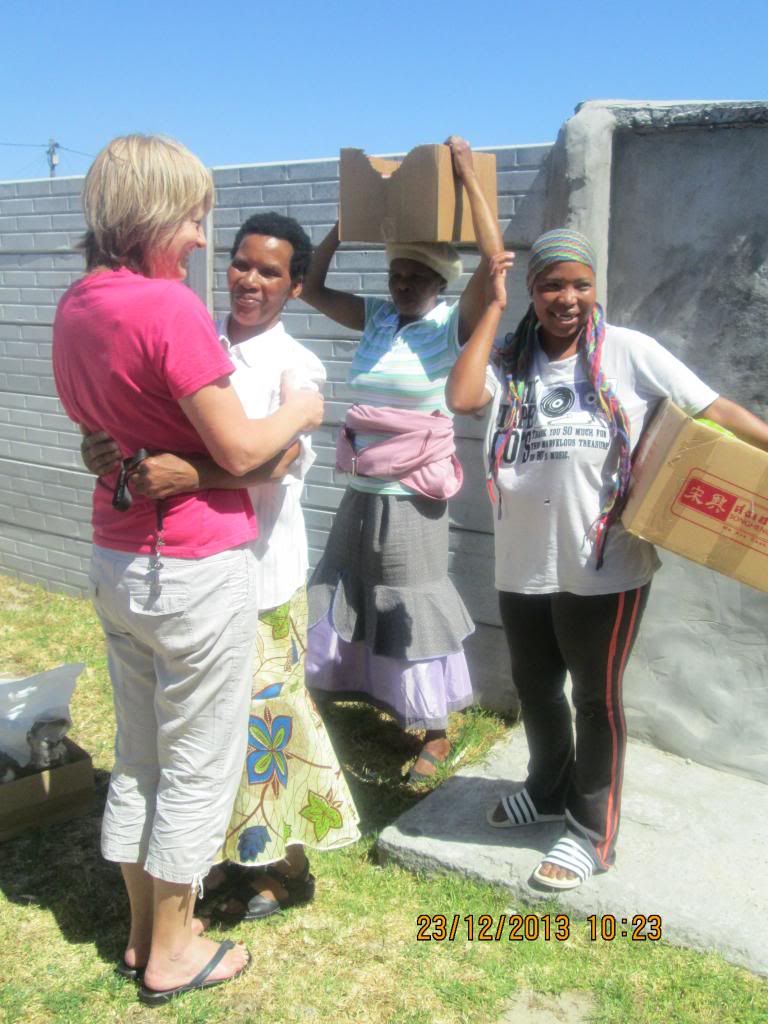
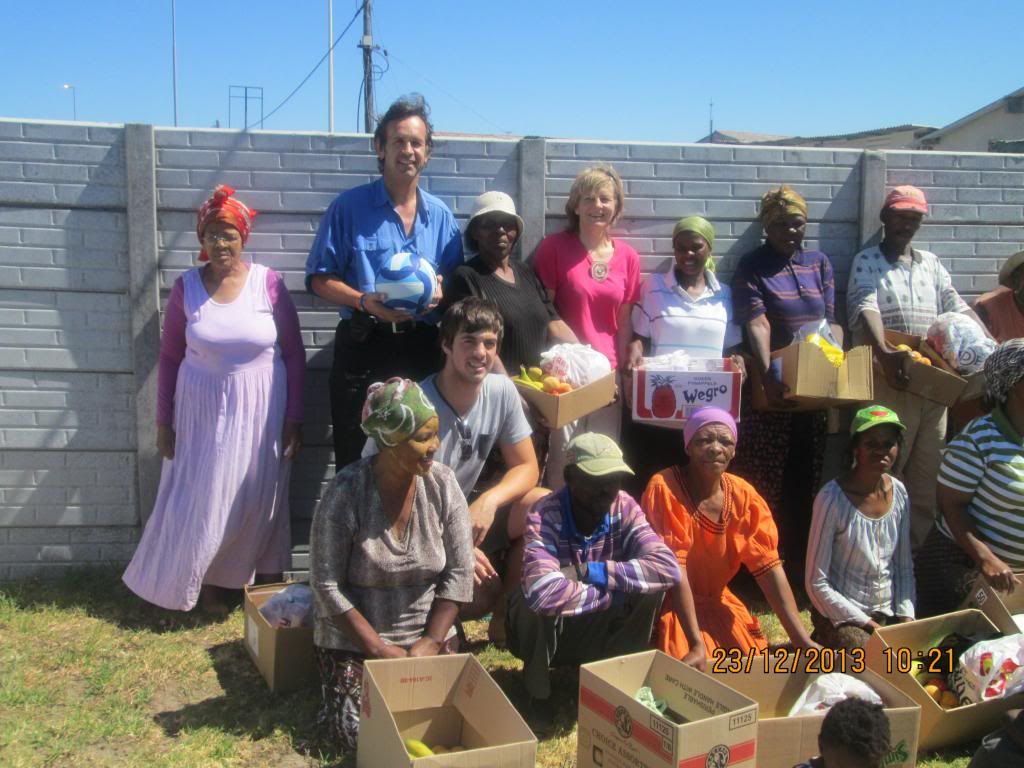
Food parcels … one aspect


Wishing, goal setting and action

for-sale beetleWe have expectations of the New Year in the beginning of the year.

This year is going to be my best year ever. This year I am going to get rich, thin, fat, famous, popular or independent. It is great to start dreaming again. We often dream as children. We can fly, we can change the world, and we can do the impossible. When we grow older, we see that it is not so easy to achieve what we thought would be relatively easy to achieve. So we tend to stop dreaming and we go to that survival mode where we just live from day to day and make sure that we have enough energy for tomorrow to just live day to day again. So it is good to start the year dreaming or wishing. These dreams may lead to goals and the goals may change your life forever. These goals and our attempt to reach them may force us to make changes that will help us act and behave differently.

So, let us say that your dream is to have enough money to quit your current job that you may have more time to follow your passion. You do have a job that is sapping your energy and you are busy with your life. When the reality of the rat race sets in, it is easy to let that dream slip again. The rate race  is a term used to describe a frustrating, hard-to-break financial lifestyle. It is a lifestyle that is lived by countless people. That means that you are so busy every day that you do not reflect on where you are and where you are going. To reach any goal you need to think about what you want to achieve and what price you are willing to pay for it. To define your goal, you need to go through a number of questions so that you have enough clarity for you to only focus on three things. You need to ask yourself three questions more than once a day and get answers to that. You need to learn how to ask “how?”, “does this support my goal?” (answer “yes” or “no”) and also “what next?”


Let us take a closer look at this. Your wish is to have enough money to quit your current job. So how do we make that wish a goal? There are many ways to describe a goal, but the main difference between a goal and a wish is that it is measurable opposed to vague, precise instead of flexible or loose. So the first question would be: how much money would this be on a monthly basis? Let us take $3000 as the example here. The second question will be: how much time are you willing to sacrifice to achieve this goal? The answer to this question is very important to determine what route you should take to reach your goal. There are quite a number of other questions that you need to go through to make sure that you have a clear goal and a clear allocation of time to reach the goal and to maintain the goal in particular.


So, let us restate the wish to make it a goal: In ten months from now I see myself earning $3000 per month to enable me to be master of my own time by doing ….

Now you need to start asking the question HOW? The goal is set and it is precise. Ten months from now $3000 per month> How am I going to get it?

There are different answers to this for different people. Let us assume that you are going to sell second hand cars and that your profit per car is $300 on average. That means that you need to sell ten cars per month. If you are selling a product where the profit is $10 per sale, you need to sell 300 units per month to get to your goal. If you do internet marketing and your profit is $1 per product, you need to sell 3000 units of your product to get there. You could reason that you are not so much into sales. That means that you need to find something else where you can add value to people’s lives where you would receive a benefit to get to your desired income.

So once you have the HOW in place, you may start asking the two questions: “What next?” and “does this support my goal now?”

So let us say that you have decided to sell second hand vehicles. This is going to be your plan to get the money in. You have also chosen to devote ten hours per week to this (five over weekends and five during the week). Now you need to ask the question: “what next?”. As you have no idea on how to do this, you may want to google “selling cars” to determine what is next. If you know some-one who is in the business you may want to go to him or her to gain knowledge or to be trained. Once you have the knowledge you may still need to acquire the skills for this. That will be the next step, but you may combine this with selling. So you learn as you go!

To illustrate the other question, consider the following. You have set aside two hours tonight to spend time researching the prices of second hand vehicles in your area. Your friends phone you to watch a game with them and to have a great time. So the question is “does this support my goal now?” Of course the answer is “no”. If you do go, however, you have to make up for the two hours of lost research.

So, to wish is easy. It is but a fleeting expression of a desire that is deep down somewhere. To turn that desire into a goal requires passion and discipline. So your first goal may in fact be to acquire passion and discipline before you tackle that audacious goal.

anxious hands grabbed into my heart for sweets

Waiting for sweets

Waiting for sweets

On 16 December of most years I run a 10 km race in a place called Gugulethu close to
Cape Town, South Africa. It is not really a race for me as I normally go to enjoy the people. you get runners there from all over Cape Town and then also some people on  holiday from other places of Africa or the world. You will see quite a number of Santas around running with big bags full of sweets. They then dish this out to kids along the road.

There are places in Guglethu where you get better houses, but then you also get areas where there are cheaper almost makeshift houses or shacks. Normally when you hit this portion of the race you find many kids lining the streets. They are looking for gifts, well actually sweets. Now I know that we should not give sweets to kids. The sugar content is far too high etc etc, but we were giving out sweets.

So I gave a few sweets to a number of people and everything seemed to be fine in the beginning. About five minutes later I had these kids running alongside asking, please some sweets, please some sweets. They would run 50 or 100 meters or so in the hope that they would get something. Many of them had plastic bags with them to gather the sweets.

Then about eight minutes later I stopped to give some sweets from a bag that I was carrying. Within 30 seconds I was surrounded by about 10 to 15 kids each one trying to get to the front to get a sweet. The hands were stretched out and many of them tried to open the bag to get to their sweet. Some tried to get a second sweet. It seemed that they were impatient and anxious to get to the sweets, to their helping.

When I was young I was taught to wait, to not grab and not to be first in line. I was often told, “be patient, there is enough for everyone”. I know I was extremely fortunate when I grew up. We did not always have cake or sweet things around, but I remember on Sundays and Wednesdays. There was always enough to eat. The rules here seemed different. You have to be first in line, you have to race to get it, you have to by all means get into the bag, to get your portion as there may not be enough for everyone.

I was emotionally deeply disturbed emotionally by this. I could not quite understand why I was so upset at that time. They were all anxious to get something. The bigger kids pushed the hands of the smaller ones down. I was anxious as I was running out of sweeets to give and as I was deeply embarrased about what was happening in this fight for survival. About 500 meters or so from there a similar thing happened and I gave the balance of the sweets to one of the bigger kids asking them to share. I am not sure if the sharing happened, but after that I started running again, a bit more free now to just run. It is easy to run and just close my eyes and ears to the anxious hands.

The image of hese hands, however, did not stop when I was not confronted by individuals anymore. It lingered on and found a way to reach into my heart. They are in there looking for an answer to their needs. We must find a way to turn this around.

Now reflecting about what happened there, I wish I was able to buy sweets for everyone in that area. Well not really sweets! I wish I could give everyone a tool so that they could grow up and change their thinking. One way to think is to say: there is enough for everybody, there is abundance. The tool does exist of course and that is education.
What often is absent is a father or mother or adult that could help them and motivate them.

Education is much more than teaching mathematics or science or languages, but education is needed.

If you want to make a contribution in time, energy, ideas or skills, please let me know so that we can tackle this challenge in Africa and worldwide!


Nelson Mandela (Madiba) : “Education is a powerful weapon for emancipation”

Link

Madiba on the cover of Time Magazine

Madiba on the cover of Time Magazine

In December 2013 Nelson Mandela passed away in South Africa at the age of 95 years. Many world leaders came to South Africa to say goodbye to this giant who was able to guide South Africa from possible bloodshed in the period of the transition of power in the period from 1990 till after the first democratic elections in South Africa in 1994 when everyone could vote for any candidate or party at the same time in the same elections.

He was elected as president of South Africa and worked during his term of five years in office to reconcile the people in the country. He stepped down after his first term and devoted the rest of his life to furthering a number of causes. The most important one of them was and is education. He understood the value of education and worked tirelessly to install that belief in many people. This is a far cry from the slogan, “Liberation before education” that was used during the days of the struggle in South Africa.

For South Africans Mr Mandela is known as Madiba, his clan name. This is how Martin Hall describes his understanding of Madiba’s position on education and an interaction with Madiba when he was close to the end of his tenure as president of South Africa.

Madiba had a lifelong respect for education: in his early years at Fort Hare; in pursuing legal qualifications (and writing examinations under threat of a death sentence in jail in Pretoria); on Robben Island, in his now famous organisation of seminars while working in the blinding light and dust of the lime quarry. He saw equality of opportunity through education as key to emancipation, a principle yet to be realised in South Africa, or elsewhere.

This respect for informed and independent thought and for freedom of expression was apparent in one small encounter that I shared with others in 1999 in the last year of his presidency. With little warning or ceremony, some 20 of us from the University of Cape Town, led by our vice-chancellor, were invited to Mandela’s nearby home. President Mandela wanted a seminar to evaluate the successes and failures of his time in office. For three hours he responded to our commentary: on reconciliation; on economic policy; on HIV and Aids, then growing to epidemic proportions in South Africa. His respect for informed criticism and research-based perspectives was palpable. When the time came for us to leave, he showed us out himself, waving as we drove away. (Martin Hall)

Madiba continued after his period as president confirming through his actions the importance of education. His leadership in combatting HIV/Aids once again was education in action. His quotes on education will inspire others:

Education
“Young people must take it upon themselves to ensure that they receive the highest education possible so that they can
represent us well in future as future leaders.”

“No country can really develop unless its citizens are educated”, is another quote that we need to adhere to. This applies to any country anywhere in the world.

In South Africa today there are many who are free politically, but many are still prisoners financially. This is the reason why a political party will attract attention and maybe even votes if the preach economical freedom and the benefits that go with that. So the question today is: how do you get this economical freedom. Does it come through a weapon or intimidation or does it come through education?

Let us take two stories of two young ladies that live and learn in the same area in a so called township in South Africa, an area where a number of people live in quite proximity to each other, some in better accomodation and others in smaller and cheaper places. Let us call the one lady Sindi and the other one Thandi.

Sindi does her schooling, but does not complete it. She is forced to leave school by her circumstances. She looks around for a possible job and then finds that cleaning a house is a possibility. She earns $15 per day for that, but her transport leaves her with about $10 per day. Out of that she needs to buy food and pay for lodging. That does not leave her much, even if she works everyday of the week.

Thandi does not complete school either. Her circumstances forces her into the same job as Sindi, which is cleaning of houses. She gets the same amount of money as Sindi. The difference is that Thandi spends $5 per day on her education every day. She learns to speak better English and English for business. She learns some selling skills and negotiation skills. She also learns how to program. She has the same time every day as Sindi and the same amount of money, but she uses it differently. She learns mathematics and a bit of science.

Now Thandi has the ability to program on a basic level on the internet and computers. She spends 6 hours every day on that and gets paid $5 per hour. Her income now is $30 per day which will leave her with $25 per day. She again uses half of that on education. She becomes an even better programmer. She now earns $25 per hour. Everything is changing for her as a result of the income that she is generating. As she is very good in English as well she is able to get work from all the English speaking individuals in the world that would like to employ her on a contractual basis. Her income is not limited to the economic conditions of the region or country where she lives.

Thandi works hard and puts in ten hours of work per day. She employs two people that she pays $15 per day. She makes over $200 per day after her expenses. Setting aside $150 per day she will be able to buy one of the better houses in her area after 400 days of work

That is less than two years of hard work when she is qualified enough to give that value to the market place to command about $25 income per hour. She needs some other skills in this process though.

She must be able to negotiate and market herself (or have someone do this on her behalf).  Her communication abilities in English must be great. Then what is probably the most important skill has to do with financial intelligence. A car must not be first on her list of ‘new toys’or ‘so called’ assets. Rather it must be something that can produce income. Again the education is paramount. She needs a thorough understanding of money and the pitfalls around money. Then of course she does not want to continue working ten hours per day. She wants to work less hours and have time for life as well. Again there is the choosing of a partner and starting a family. Education is vital again.

It goes even further than this. Thandi can start a business employing other people to do what she is doing. Now it is a question of getting someone to manage them if that is not what she wants to do (or should do). Then it is controlling the finance. After that comes expansion and a possible listing on s stock exchange somewhere, but everything comes back to education again.

One of the greatest gifts of Madiba was that he made it quite clear that education is immensely valuable. He also demonstrated this throughout his life leading by example and by his involvement in various campaigns and foundations after 1999 when he left the South African Parliament.

Madiba was a remarkable man. Let us give others the chance through education (in it’s widest possible meaning as well) to make the world a better place for all.


Kids, Joy and Dreams

 Kids leading the way …I was fortunate to experience sheer joy amongst children recently. Their circumstances are totally different, but they enjoy life. It made me realise once again that I sometimes forget to enjoy as they do… too busy with the things in life without marvelling at the wonder of life itself.

The first group of children live in an area that is not affluent. In fact some of the houses there could be worth less than $500, but there are houses. Then again thereare houses in the area up to a value of $200 000. There seems to be a huge divide here with some people working and others not. The unemployment could be as high as 50% or more. Then there is crime around with family structures starting to disintegrate as there is no father around in many cases. Survival is the question in the mind of many people, but not in the mind of the kids.

There are frequent exercise groups and weather permitting we can have quite big classes. Normally we are indoors and we encourage the kids to come with the mothers or fathers. Sometimes we cannot use the facilities indoors as community based meetings will take preference above sports or exercise meetings. This happened recently and we moved the indoor training session outdoors for the kids to train and this was sheer enjoyment for them. There are youngsters around and they enjoy. This is the time to build community and to build dreams again. At the end of the training session we formed a circle and one of the group prayed for us. God touched my heart once again.

The other group of kids that I was fortunate enough to see was in a church service in another area of our city about 25 km away from the exercise classes described above. The group of kids were taught how to bake a bread. Explaining the recipe to the kids the teacher said that an egg has to be broken to mix with the flour. That egg can never be separated or extracted from the mix again as it becomes one with it. In the same way the children can never be separated from God and his love for them. The kids collected the offering and then went to a separate room to bake their bread.

After a while they came back to share this bread with the adults. There was excitement and a big wow. The smallest one was quite adamant that she wanted to share the bread and that adults could not just take it. She was on the arm of one of the leaders. The bread tasted very good and I was excited as I was offered another piece. It seemed if the response of the adults created even more energy amongst the children. They enjoyed this and thrived on the response that they received. They created something and they received  wonderful feedback. For most of them the dreams in their lives have not even been formed clearly, but they enjoy life.

It may be in an exercise group or in a church or sunday school class but the enjoyment is there. It reminds me that I am playing in God’s exercise group here on earth and that I want to share that enjoyment with others who are not in the group. It also reminds me of dreams and of creating things on my own.

So please join me as I pray this powerful prayer today:

Father, please rekindle the dreams in my life and give me a way to live them. Give me joy and the chance to share that joy with one person today. Any dream will do, but make it your dream for my life.

Amen.

Some of the informal houses in Khayelitsha

Some of the informal houses in Khayelitsha